Private Nurse at Home – Understanding the Benefits of Personalised Nursing Support

Healthcare does not have to happen inside a hospital, a clinic or a residential facility. Plenty of people manage better with nursing support in surroundings they already know, where everyday care is simply less of an upheaval. Home-based nursing works for people recovering from illness or surgery, for older adults who need assistance, and for anyone living with ongoing health or mobility difficulties.
Knowing what home nursing actually involves makes the decision easier when a family is weighing up the options.
What Is Nursing Care at Home?
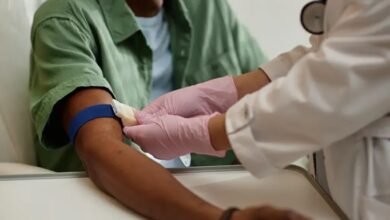
Nursing care at home means qualified nursing professionals delivering healthcare services inside a person’s own residence. What that covers depends on their health needs, their care plan and how independent they are day to day.
This is different from help given by family members. Professional nursing comes from trained healthcare workers who know clinical procedures, patient safety, medication management and what needs monitoring. It can be arranged for a short recovery period or continue as longer-term support.
The setting itself is useful. A nurse in the home sees how someone handles ordinary activities and picks up practical concerns that never surface during a short clinical appointment.
Who May Benefit From Home Nursing?
The range is wide. Older adults often need assistance because mobility has reduced, because they are coming out of a hospital stay, or because certain daily activities have become difficult to manage.
Recovery from surgery or illness is another common reason, usually temporary, lasting while strength comes back. People managing chronic conditions may want regular monitoring and help keeping their established care routines on track.
Then there is the family side of it. Caring for someone gets hard to sustain alongside work, a household and everything else. Professional support adds structure without pushing family members out of the picture, and they stay involved in the person’s care.
Common Services Provided by Home Nurses
Services follow the individual’s needs. Depending on the care plan, a nurse may help with medication routines, wound care, health observations, mobility support, continence care and post-operative recovery.
Some people need particular health indicators monitored. Others need someone to follow the instructions their doctor or specialist has set out. Nurses also pass relevant observations back to other healthcare professionals when that is appropriate.
Worth knowing: home nursing services are not all the same, in type or in level of care. Talk the specific requirements through with a qualified provider before arranging support.
How a Private Nurse at Home Can Support Independence
One advantage of a private nurse at home is that the care happens in normal surroundings. Familiar rooms, familiar routines, their own belongings around them. That is far less disruptive than moving between different care environments.
Home nursing does not automatically mean giving up independence. Handled well, it works the other way. Someone keeps doing what they are still capable of doing and gets support with the parts that have become harder.
For people who want to stay inside their own routines, that difference matters. A nurse steps in where it is needed and encourages safe independence everywhere else.
Preparing the Home for Nursing Care
Before care starts, look at whether the living environment suits it. Rooms in regular use should be easy to reach, and pathways should stay clear so there is less to trip over.
There is usually some organising to do as well: medications, medical documents, equipment, emergency contact details. Keeping all of it somewhere obvious means a nurse can understand the care requirements faster.
If mobility is a problem, the home may need more than that. Suitable lighting, support equipment positioned where it is actually useful. What gets changed depends entirely on the person and their circumstances.
The Importance of Communication
Good communication holds the whole thing together. Nurses, the patient, family members and other healthcare professionals all feed into the care plan.
The patient should feel able to say what they prefer, what is worrying them, which symptoms they have noticed and which parts of the day are hard. Family members fill in the background, which counts for a lot when they are closely involved in the routine.
Clear communication heads off the misunderstandings too, the ones about medications, appointments, dietary requirements and the rest of it. When health or circumstances change, review the care plan rather than assuming it still fits.
Choosing Appropriate Nurse Care at Home
When considering nurse care at home, families should focus on the individual’s specific needs rather than choosing a service based solely on convenience. It is sensible to ask about nursing qualifications, available services, care schedules, communication procedures, and how changes in a patient’s condition are handled.
The person’s own preferences belong in that decision as well. Some people are far more comfortable with a consistent caregiver. Others need flexible support that shifts with their circumstances.
Home nursing comes down to appropriate professional support that respects a person’s comfort, safety, dignity and independence. Plan it properly, keep the communication open, and healthcare at home becomes a workable part of a wider care plan.
You can also read about: Common House Moving Mistakes and How to Avoid Them